
Most Visited Tourist Places in Pakistan (2026 Guide)
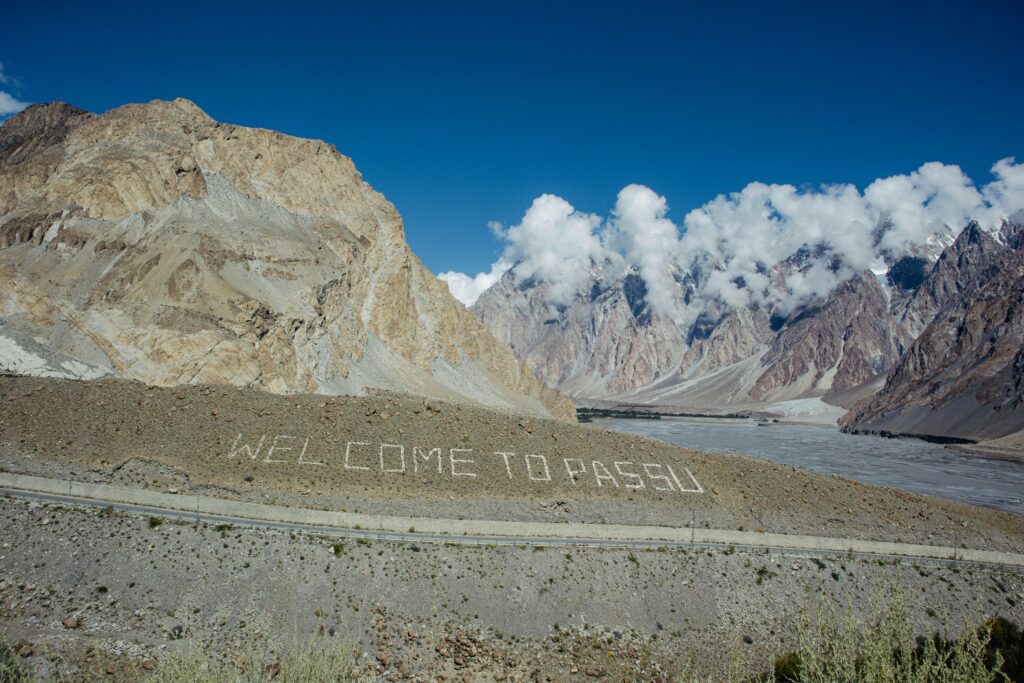
Pakistan keeps turning up on everyone’s where-to-next list, and this time the hype holds up. The mountains are genuinely absurd. The food is better than anyone warned you. And outside peak season you get places to yourself that would be shoulder to shoulder anywhere else on earth.
One thing changed this year though, and it is catching people out. The free visa is gone.
First, the 2026 visa change
On 1 January 2026, Pakistan quietly suspended the free Visa Prior to Arrival scheme that had covered 126 nationalities since August 2024. No press release. It simply vanished from the online portal.
What that means in practice:
- You need a paid e-Visa now, applied for in advance through the Pakistan Online Visa System.
- Fees vary by passport. Reported rates sit around USD 35 for EU citizens and roughly USD 60 for US, UK and Canadian nationals.
- Processing takes 7 to 20 business days, against the 24 to 48 hours the old scheme managed.
Translation: apply early. A trip you could once pull together in a fortnight now wants a month of runway. If your nationality was on the old VPA list, the reporting on the suspension is worth five minutes before you book flights.
Right. On to the places.
Northern Pakistan: why most people come
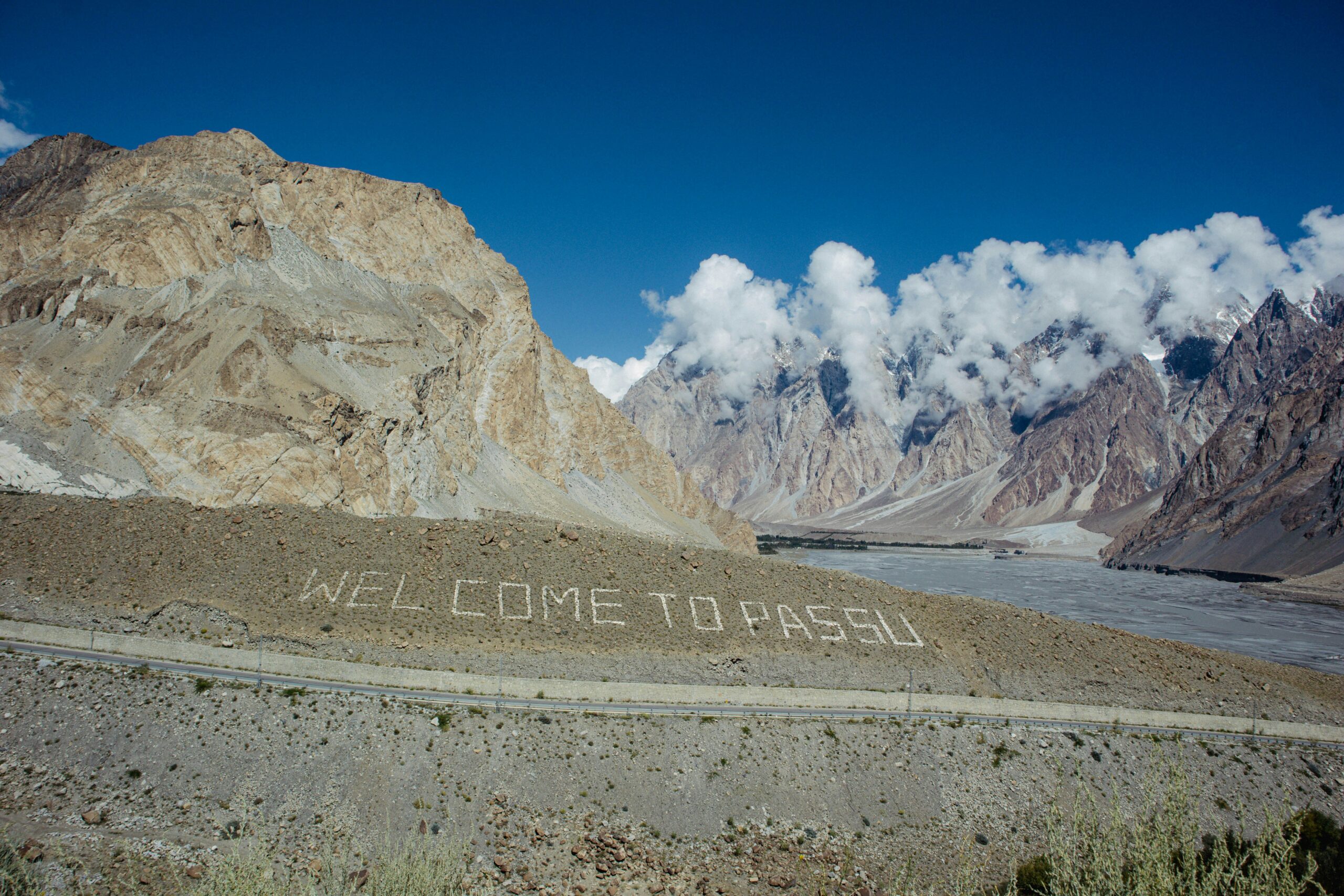
Gilgit-Baltistan
This is the headline act. Five of the world’s fourteen peaks above 8,000 metres sit in Pakistan, and most of them are here.
K2 Base Camp. The trek to the foot of the world’s second-highest mountain runs roughly two weeks round trip from Skardu, and you do not need to be a climber to do it. You do need to be fit, and you need a decent operator. The Baltoro Glacier stretch is the part people are still talking about years later.
Fairy Meadows. A green plateau staring straight up at Nanga Parbat. Getting there means a jeep track with its own fearsome reputation, then an hour or so on foot. Late June to August is the window. Outside that it closes.
Hunza Valley. If you only have a week, go here. Cherry blossom in April, gold everywhere in October, Altit and Baltit Forts for the history, and the Passu Cones looking faintly unreal from the roadside. Attabad Lake is on the way up. Karimabad makes a comfortable base with real hotels and decent food.
Flights from Islamabad into Gilgit and Skardu take about 45 minutes and both airports have improved a lot. When the weather turns those flights cancel, so build in a spare day at each end rather than cutting it fine.
Swat Valley
People call it the Switzerland of the East, which rather undersells how different it actually feels. Malam Jabba is the country’s main ski resort and fills up in winter. Mahodand Lake and Kalam carry the summer crowds. The Buddhist archaeology scattered through the valley is properly ancient and mostly ignored by visitors, which is their loss.
Swat has one very useful quirk: it stays reachable in winter when Skardu and upper Hunza do not. There is a fuller breakdown in our guide to the top attractions in Swat Valley.
Naran and Kaghan
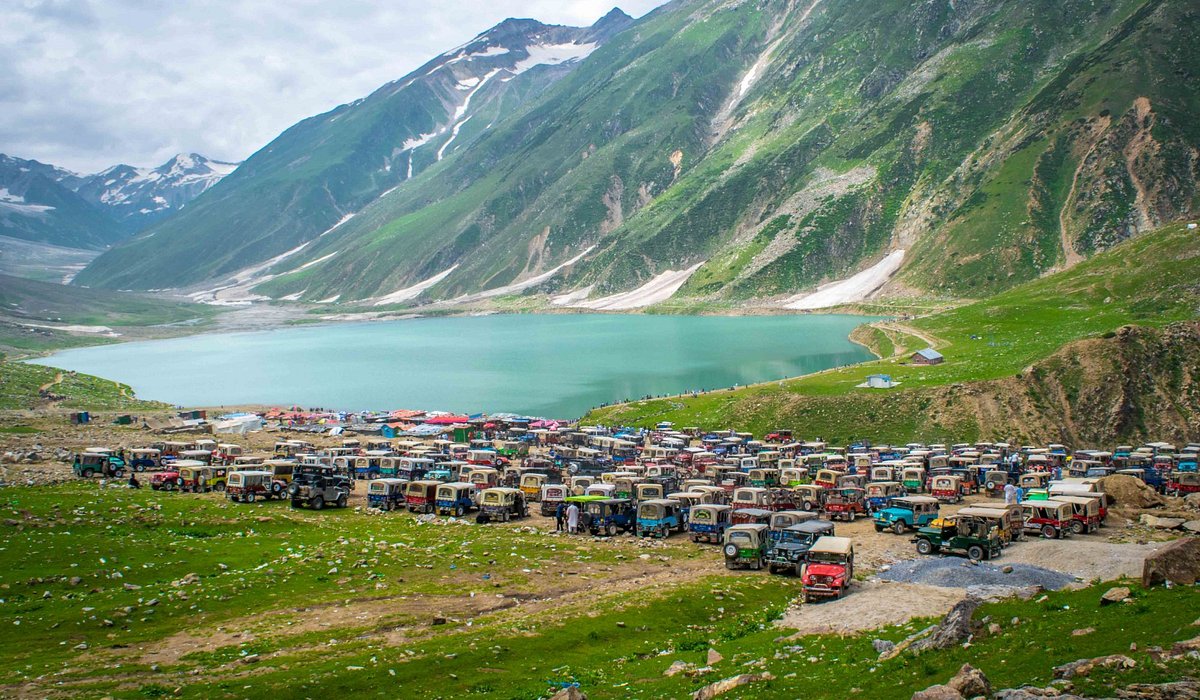
Lake Saif-ul-Malook is the famous one, ringed by peaks with a folk legend attached. Jeep up or hike up, your call. Babusar Top, the high pass linking Naran to Chilas, is one of the great drives anywhere in the country.
Fair warning: Naran and Kaghan catch the monsoon in July and August. Landslides shut roads with no notice at all. Check conditions the morning you travel, not the week before. Our piece on the peaks and valleys of Pakistan goes deeper on the northern routes.
Lahore, Islamabad and the historic core
Lahore
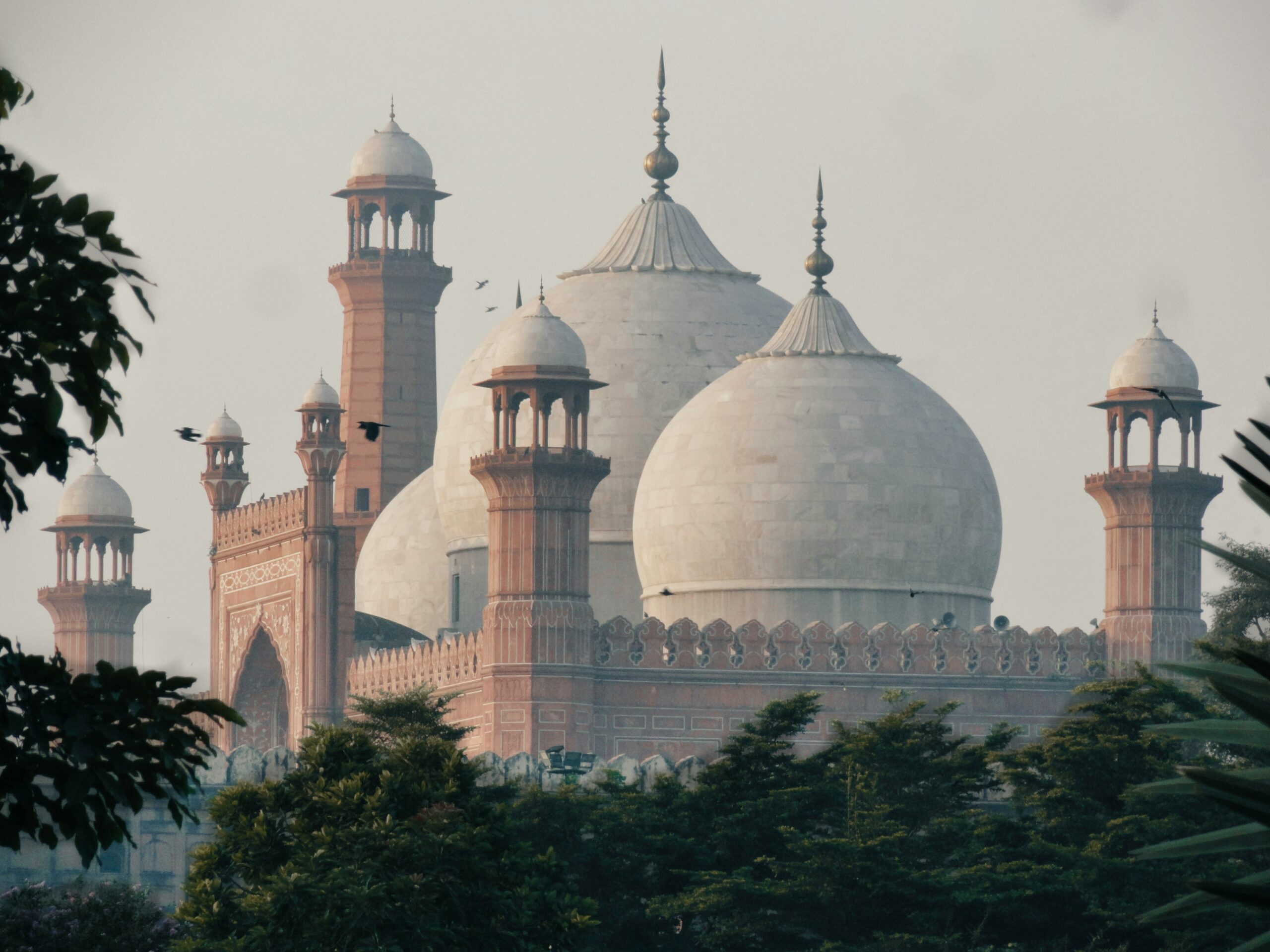
Lahore is the one that gets under people’s skin. Mughal architecture, a food scene that runs past midnight, and a walled city you can lose an entire day inside without noticing.
- Lahore Fort and the Shalimar Gardens, both UNESCO listed, both worth a slow visit rather than a rushed hour.
- Badshahi Mosque, among the largest in the world. Go at sunrise or in the last hour before sunset.
- The Walled City, best done on foot with someone who knows the lanes. Food Street at night is touristy and still worth it.
Give Lahore three days if you can. Two feels rushed, one is a waste.
Islamabad
Green, orderly and a soft landing if you have just flown in. Good place to reset for a day before heading north.
- Faisal Mosque, with the Margalla Hills right behind it.
- Pakistan Monument, up on a hill with the whole capital laid out below.
- Lok Virsa Museum for crafts and traditions from every province.
Margalla Hills Trail 3 starts nearby and is a proper walk rather than a token one. Go early, take water.
Taxila
An hour from the capital and roughly 2,300 years of Buddhist history. The Dharmarajika Stupa dates to the third century BCE. The Taxila Museum holds one of the finest Gandhara collections anywhere in the world. Half a day, easily filled.
Southern Pakistan: coast, forts and ruins
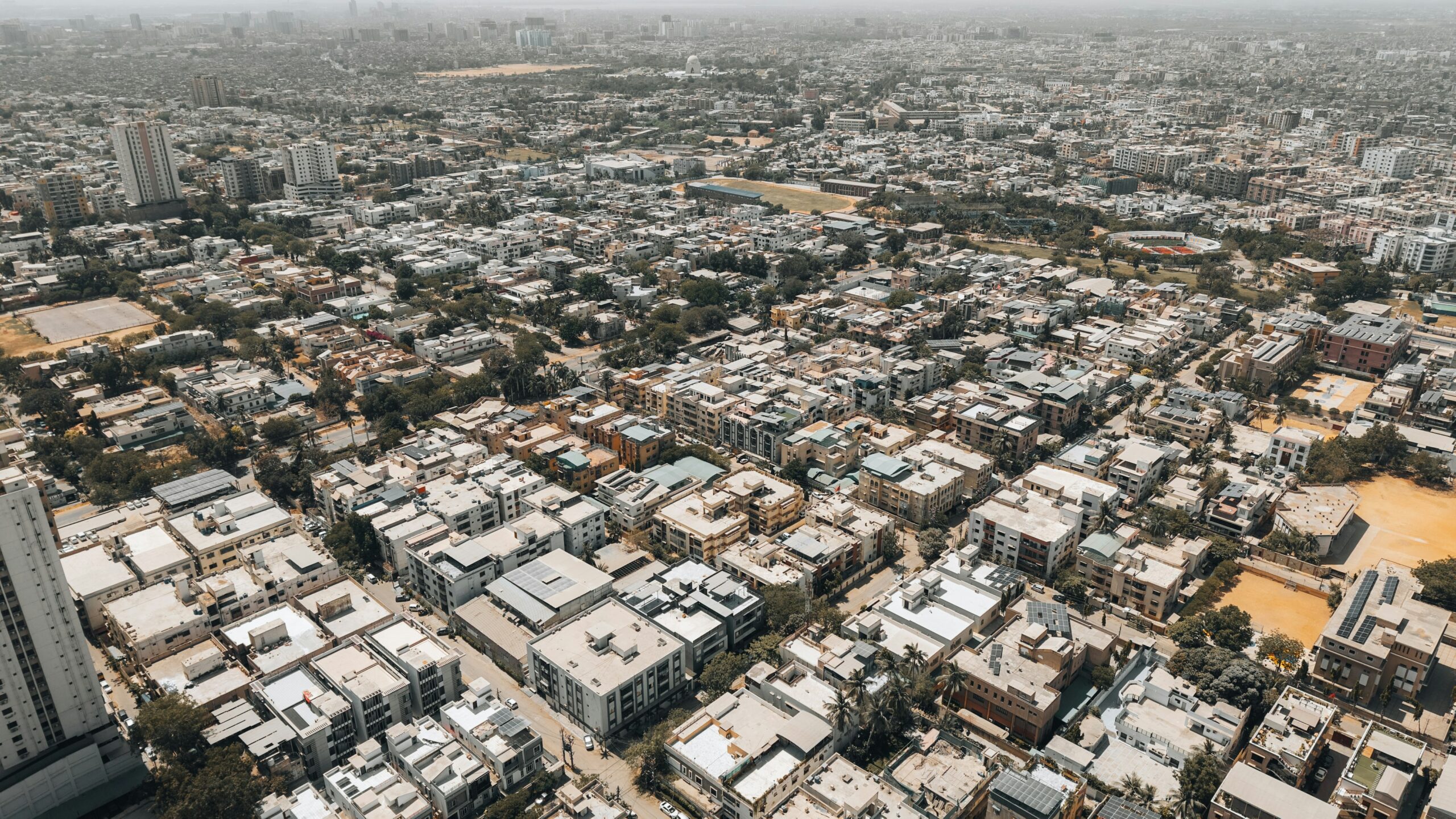
Karachi
Loud, enormous and considerably more interesting than its reputation suggests. Pakistan’s commercial engine, and the food alone justifies a few days.
- Mohatta Palace, now a museum with a genuinely good exhibition programme.
- Clifton Beach for camel rides, evening crowds and street food.
- Mazar-e-Quaid, the mausoleum of Muhammad Ali Jinnah and a national landmark.
Mohenjo-daro
One of the most significant archaeological sites on the planet and startlingly under-visited. A planned city of the Indus Valley Civilisation, laid out with drainage and public baths around 2500 BCE, which is to say while Egypt was still building pyramids. It sits in Sindh, it is UNESCO listed, and on most days you will share it with almost nobody. Go in winter. Summer heat here is not a joke.
Ranikot Fort
Often called the Great Wall of Sindh, and quite possibly the largest fort in the world by circumference. The walls run around 30 kilometres across the hills. Nobody is entirely certain who built it, or when, which is half the appeal. Mohan Gate is the main entrance.
Sindh carries more than most itineraries make room for. See our guides to tourist attractions in Sindh and the top attractions in Hyderabad.
Hingol National Park
Balochistan, and unlike anywhere else in the country. Mud volcanoes, wind-carved rock, the Princess of Hope formation standing out of the desert, and the Hinglaj Temple, one of the most important Hindu pilgrimage sites in Pakistan. The Makran Coastal Highway that gets you there is spectacular in its own right.
Places of pilgrimage
Nankana Sahib
The birthplace of Guru Nanak and one of the most visited religious sites in the country. Gurdwara Janam Asthan draws Sikh pilgrims from around the world, with Vaisakhi as the peak.
Sadh Belo
A Hindu temple complex on an island in the Indus near Sukkur. Temples, libraries and lodgings, all still very much in use rather than preserved behind glass.
Getting around
Domestic flights connect Islamabad to Gilgit, Skardu and the major cities, and they are cheap by international standards. They are also weather-dependent in the north, which is worth repeating.
Overland, the Karakoram Highway is the spine of any northern trip and an attraction in itself. Hiring a car with a driver is common, affordable and usually smarter than self-driving, since mountain roads here reward local knowledge. Long-distance coaches between cities are comfortable and well run.
Data coverage is decent in towns and patchy in the high valleys. Download offline maps before you head up.
When should you actually go?
Depends entirely on which Pakistan you want.
- Hunza and Gilgit-Baltistan: April to October. Blossom in spring, gold in autumn.
- Skardu: June to September for reliable road access.
- Fairy Meadows: late June to August, and that is the entire window.
- Naran, Kaghan and Neelum: summer, with monsoon disruption likely in July and August.
- Swat and Murree: good through winter if snow is what you are after.
- Lahore, Karachi, Islamabad: October to March. Summer on the plains is punishing.
If you can only pick one month, make it late September or October. The domestic crowds have gone home, the valleys turn colour, and the skies clear.
Winter shuts a lot of doors. Skardu, Fairy Meadows, Deosai and upper Hunza all become inaccessible.
What does a trip cost?
Pakistan is cheap, and that is a large part of the draw. Guesthouses in the north run at a fraction of Nepal prices. Domestic flights are reasonable. Food is close to free by Western standards and better than it has any right to be.
Costs climb in one place only: organised trekking. Permits, porters and guides add up fast for anything on the Baltoro, and that is not somewhere to cut corners.
Travelling tight? We have a full guide to free and low-cost places to visit in Pakistan. And if you are a Pakistani passport holder planning to travel outward instead, our step-by-step guide to planning a world tour from Pakistan covers the visa side properly.
Is Pakistan safe in 2026?
Short answer: the main tourist regions are fine, and the real picture is more nuanced than blanket advisories suggest.
Gilgit-Baltistan, Hunza, Skardu, Lahore and Islamabad handle heavy tourist traffic with very few incidents involving visitors. Several governments still carry elevated overall advisories for Pakistan while making specific carve-outs for exactly these areas. Border regions and parts of Balochistan and Khyber Pakhtunkhwa remain genuinely sensitive, and those are not places to freelance.
For most travellers the bigger practical risks are not security related at all. They are altitude, since plenty of destinations sit above 3,000 metres. Landslides on the Karakoram Highway and Babusar Pass. Weather closing airports for days.
Solo female travel has grown noticeably, particularly around Hunza, and female guides are increasingly straightforward to arrange. Part of that shift traces back to the wave of creators documenting their trips, something we looked at in our piece on vloggers who visit Pakistan.
Frequently asked questions
Do I need a visa to visit Pakistan in 2026?
Yes. The free Visa Prior to Arrival scheme was suspended on 1 January 2026, so nearly all foreign visitors now need a paid e-Visa applied for in advance through the Pakistan Online Visa System. Allow 7 to 20 business days for processing.
What is the most visited tourist place in Pakistan?
Hunza Valley in Gilgit-Baltistan draws the largest share of both domestic and international visitors, helped by good road access along the Karakoram Highway and short flights from Islamabad into Gilgit.
How many days do you need in Pakistan?
Ten days covers Islamabad, Hunza and either Skardu or Swat at a sensible pace. Two weeks lets you add Lahore properly. Anything involving the Baltoro Glacier or K2 Base Camp needs three weeks minimum.
Is Pakistan expensive to travel in?
No. Accommodation, food and domestic transport are inexpensive by international standards. Organised trekking is the exception, since permits, guides and porters carry real costs.
What is the best month to visit northern Pakistan?
Late September and October. Autumn brings clear skies, mild temperatures, thinner crowds and the valleys at their most colourful.
Worth the effort
Pakistan asks more of you than a package destination does. The visa takes longer now. The roads have opinions. Flights get cancelled by weather that looks perfectly fine from your hotel window.
You get a lot back for it. Very few countries let you stand under an 8,000 metre peak in the morning and eat in a 400 year old bazaar the same week, with barely another foreign visitor in sight.
Sort the visa early, go in autumn if you possibly can, and give the north more days than you think you need.
Related articles
Pakistan’s Free or Low-Cost Traveling and Visiting Points
Introduction Pakistan, with its diverse landscapes, ancient heritage, and rich culture, is one of the most beautiful yet underrated tourist destinations in the world.…
Read article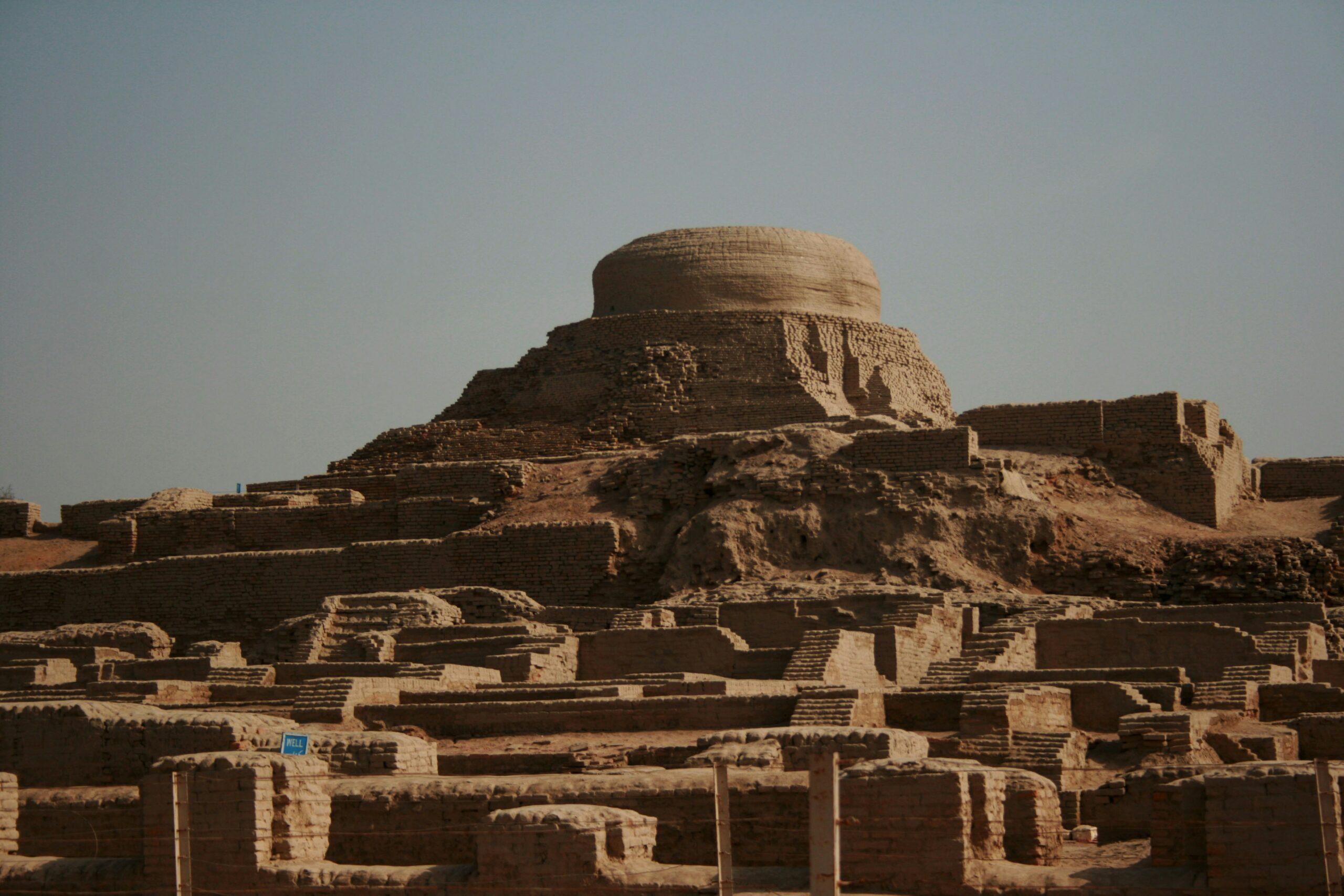
Top Tourist Attractions in Sindh You Must Visit (2026)
Sindh gets skipped. Most itineraries land in Karachi, spend two days, then fly north to the mountains. That is a mistake. This province holds…
Read article
Top Attractions You Must See in Hyderabad, Sindh (2026)
Most travellers treat Hyderabad as a fuel stop. Two hours out of Karachi on the way north, worth a biryani and a leg stretch,…
Read article