
Top Attractions to Explore in Swat Valley, Pakistan (2026)
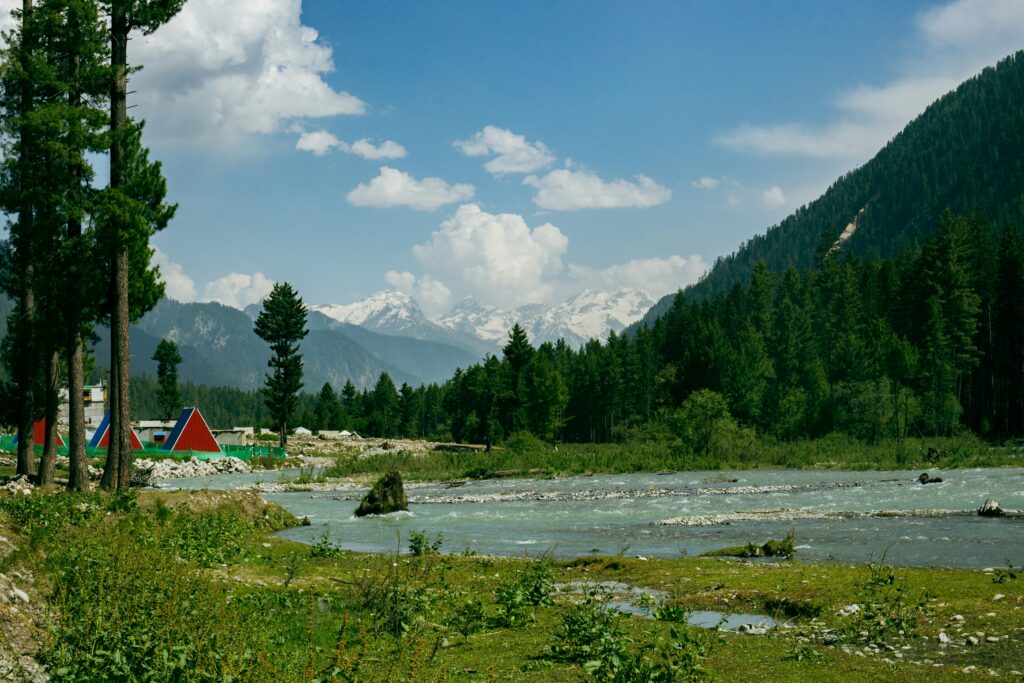
Swat gets called the Switzerland of the East so often that the phrase has stopped meaning anything. Here is a number that means something instead.
Over the three-day Muharram holidays in late June 2026, more than 433,000 tourists came into Swat. Around 90,000 vehicles. Hotels hit full occupancy across Kalam, Malam Jabba, Utror and Mahodand, and over 2,000 families ended up sleeping in tents because there was nothing left to book.
So yes, Swat is beautiful. It is also extremely popular, and turning up without a reservation in peak season is now a genuinely bad idea. Plan accordingly, and this valley is one of the best trips in the country.
Where Swat actually is, and how to get there
Swat sits in northern Khyber Pakhtunkhwa, following the Swat River through Malakand Division. Mingora is the main city and the practical base for everything else.
Getting in has improved a lot:
- By road. The Swat Motorway connects to the Islamabad-Peshawar Motorway and has cut the drive substantially. From Islamabad you are looking at roughly 4 to 5 hours to Mingora in decent conditions.
- By air. Saidu Sharif Airport is operating again and sits minutes from Mingora. Flights are limited, so book early, but it is a useful backup when weather makes the roads miserable.
Once you are in, the valley road traces the river upstream through Madyan and Bahrain before climbing to Kalam. That upper stretch is where the paving gets patchy and the drops get real.
Mingora and Saidu Sharif
Mingora is not the pretty part. It is busy, commercial and full of traffic. It is also where you sort out supplies, cash and transport, and it holds two things genuinely worth your time.
Swat Museum
Over in Saidu Sharif, this is one of the best small museums in Pakistan. Gandhara-period sculpture, coins, manuscripts and jewellery, plus rooms on local Pashtun culture. Go here first, before the archaeological sites, and everything you see afterwards makes more sense.
Butkara Stupa
Ten minutes from the museum and roughly 2,200 years old. Butkara was a major Buddhist complex from around the 2nd century BCE, rebuilt in layers over centuries. What survives is one of the better-preserved stupas in the region, and the architecture blends Hellenistic and South Asian styles in a way you do not see much elsewhere.
Most visitors drive straight past both on their way north. Their loss.
Mingora Bazaar
Shawls, carpets, woodwork and local silver. Prices are better than anything you will find further up the valley, so buy here rather than in Kalam.
Malam Jabba: skiing, and now a lot more
About 40 kilometres from Mingora, up a road that demands respect in winter. Malam Jabba is Pakistan’s main ski resort and the valley’s biggest single draw.
- Winter. Groomed slopes, ski lifts and instructors. If you are driving up between December and March, carry chains and check conditions that morning.
- Summer. The chairlift keeps running and the views over the pine forest are worth the ticket on their own. Zip-lining, hiking and the newer Green Valley Adventure Park have turned it into a year-round destination rather than a seasonal one.
- Staying. There are proper hotels and restaurants at the top now, which was not true a decade ago.
Two Buddhist stupas and the remains of several monasteries sit scattered around the resort area. Two thousand years of occupation, and most people are there for the chairlift.
Bahrain and Madyan
Bahrain means two rivers, which is exactly what it is: the point where the Daral joins the Swat. About 45 kilometres up from Mingora and the natural halfway stop.
The riverside restaurants here grill trout caught that morning, and it is one of the best meals in the valley. The bazaar sells local handicrafts and fruit. Bahrain is also the jumping-off point for the Daral and Saidgai valleys if you want to get off the main road.
Worth knowing: the August 2025 cloudbursts hit parts of this stretch hard, sweeping away bridges. Reconstruction has largely caught up and the main road is open, but some riverside properties are still rebuilding. Check before booking somewhere specific.
Kalam and upper Swat
Kalam is the heart of it. Around 35 kilometres past Bahrain, and that short distance takes two to three hours because the road is a sequence of hairpins with steep drop-offs and no forgiveness. Do not attempt it after dark or in heavy rain, and if you are not confident on mountain roads, hire a driver.
Once you are up, the payoff is considerable.
Mahodand Lake
Around 35 to 40 kilometres beyond Kalam in the Ushu Valley, on an unpaved track that needs a four-wheel drive. The lake sits in a bowl of snow-dusted peaks with pine running down to the water. Trout fishing, boats for hire, and camping spots along the shore.
Budget most of a day for the round trip. The track is slow.
Kundol Lake
Roughly 19 kilometres from Kalam and reached on foot for the last stretch. The trek is moderately hard and the lake at the end is worth every step. Fewer people make it here than Mahodand.
Ushu Forest
Dense cedar and pine on the way to Mahodand. Good for slow walks, birdlife and photography, and a pleasant place to break the drive.
Gabral and Utror
Two side valleys off Kalam, both scenic, both quieter. Waterfalls, meadows and picnic ground. Utror also connects onward toward Shahi Bagh, sitting at about 2,930 metres.
Miandam: the one to pick if you hate crowds
A small valley near Saidu Sharif with terraced meadows, mild weather and almost none of the traffic that clogs Kalam in July. Homestays and guesthouses rather than hotels, horseback riding, easy walking.
If your idea of a good trip is not queueing behind 90,000 cars, Miandam is the answer.
Shangla Pass
The route linking Swat with Shangla district. Rough in places, spectacular throughout, and it takes you past villages that see very few outside visitors. Best for people travelling with a capable vehicle and time to spare.
When to go
- April to June: the sweet spot. Green, mild, and before the monsoon and the holiday crush.
- July and August: peak crowds and peak risk. This is monsoon season, with flash floods and landslides both realistic. Also when domestic tourism explodes.
- September and October: excellent. Crowds thin out, weather holds, colour comes in.
- December to March: snow season. Malam Jabba is the draw. Upper Kalam and Mahodand become difficult or impossible.
Swat has one real advantage over Gilgit-Baltistan: it stays reachable in winter when Skardu and upper Hunza shut down. See our guide to the most visited tourist places in Pakistan for how it fits against the other regions.
Monsoon safety, properly
This part matters more than the usual boilerplate, because Swat has had two bad flood years recently.
- Do not camp on river terraces between July and August. Flash floods here rise fast and the riverbank spots that look idyllic are exactly the ones that go under.
- Check road status the morning you travel, not the week before. Landslides close the upper valley with no warning, and authorities issued travel alerts for Kalam and Malam Jabba as recently as June 2026.
- Take travel insurance that actually covers natural events. Most basic policies do not.
- Stick to main roads if you are driving yourself. The cleared routes are fine. The shortcuts are not.
None of this should put you off. It should just stop you booking a riverside tent in August.
Where to stay and what to eat
Accommodation runs from basic guesthouses to genuinely comfortable resorts, concentrated in Kalam, Bahrain and Malam Jabba. Browse Swat listings on Traventigo to compare options.
Book ahead. Repeating that because 2,000 families slept in tents in June.
Food is Pashtun and excellent. Chapli kebab, karahi, and river trout that was swimming an hour before it reached you. The trout at Bahrain and Kalam is the thing to order, and it is cheap.
Frequently asked questions
Is Swat Valley safe to visit in 2026?
Yes. Security concerns from over a decade ago no longer reflect the situation, and Swat now handles hundreds of thousands of domestic tourists. The real risks are weather-related: monsoon flash floods and landslides in July and August, and difficult mountain roads year-round.
How many days do you need in Swat Valley?
Four days is comfortable: one for Mingora and the archaeological sites, one for Malam Jabba, and two for Kalam and Mahodand. Three works if you skip Mingora. Anything less and you spend the whole trip in a car.
What is the best month to visit Swat?
May or late September. Both give you good weather without the monsoon risk or the holiday crowds. Go in winter only if skiing at Malam Jabba is the point.
Can you drive to Mahodand Lake in a normal car?
No. The track from Kalam is unpaved and rough for 35 to 40 kilometres. You need a four-wheel drive, and local jeeps are easy to hire in Kalam if you did not bring one.
How far is Swat from Islamabad?
Mingora is roughly 4 to 5 hours by road via the Swat Motorway. Saidu Sharif Airport also runs limited flights, which is worth checking if the weather looks poor.
Go, but go prepared
Swat rewards planning more than most Pakistani destinations, precisely because so many people have discovered it. The valley that was empty ten years ago now fills up on every public holiday.
Pick your month carefully. Book before you leave. Respect the river in monsoon season. Do those three things and you get alpine lakes, 2,000 year old stupas, ski slopes and the best trout in the country, all within a few hours of each other.
Planning a wider trip? Our guides to the peaks and valleys of Pakistan and free and low-cost places to visit pair well with this one.
Related articles
Wanderlust Chronicles: Exploring Hidden Gems Around the World
Wanderlust Chronicles In an age where popular travel destinations are often overcrowded and overexposed, more travelers are turning their attention to the road less…
Read article
Pakistan’s Free or Low-Cost Traveling and Visiting Points
Introduction Pakistan, with its diverse landscapes, ancient heritage, and rich culture, is one of the most beautiful yet underrated tourist destinations in the world.…
Read article
Top Tourist Attractions in Sindh You Must Visit (2026)
Sindh gets skipped. Most itineraries land in Karachi, spend two days, then fly north to the mountains. That is a mistake. This province holds…
Read article