
Top Tourist Attractions in Sindh You Must Visit (2026)
Sindh gets skipped. Most itineraries land in Karachi, spend two days, then fly north to the mountains.
That is a mistake. This province holds a 4,500 year old planned city, the largest necropolis on earth, a mosque with 93 domes and no minarets, and Sufi shrines where the drumming does not stop. Winter here is mild and clear while the north is snowed in.
Here is what is actually worth your time, and how to string it together.
Mohenjo-daro: the one everything else is measured against
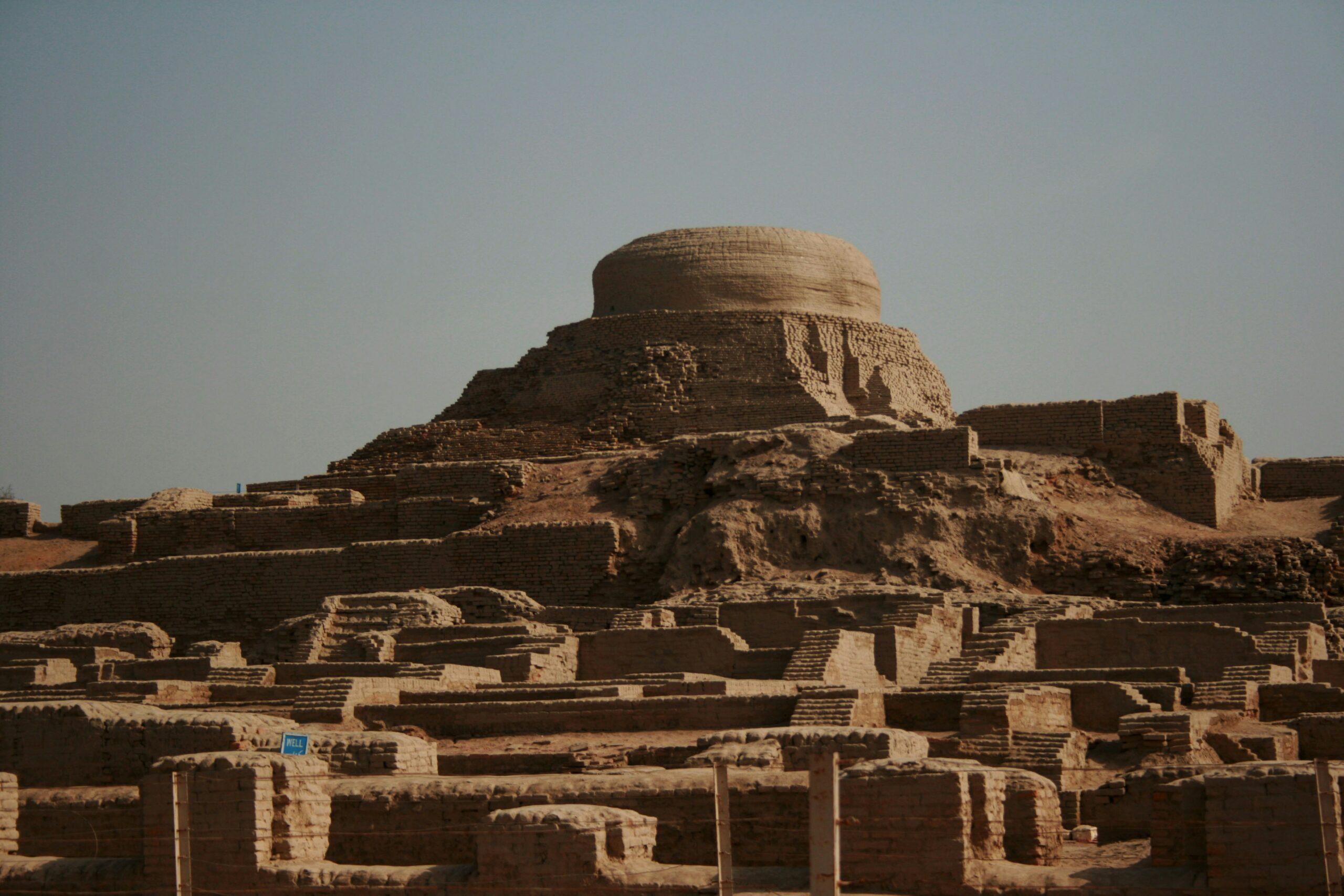
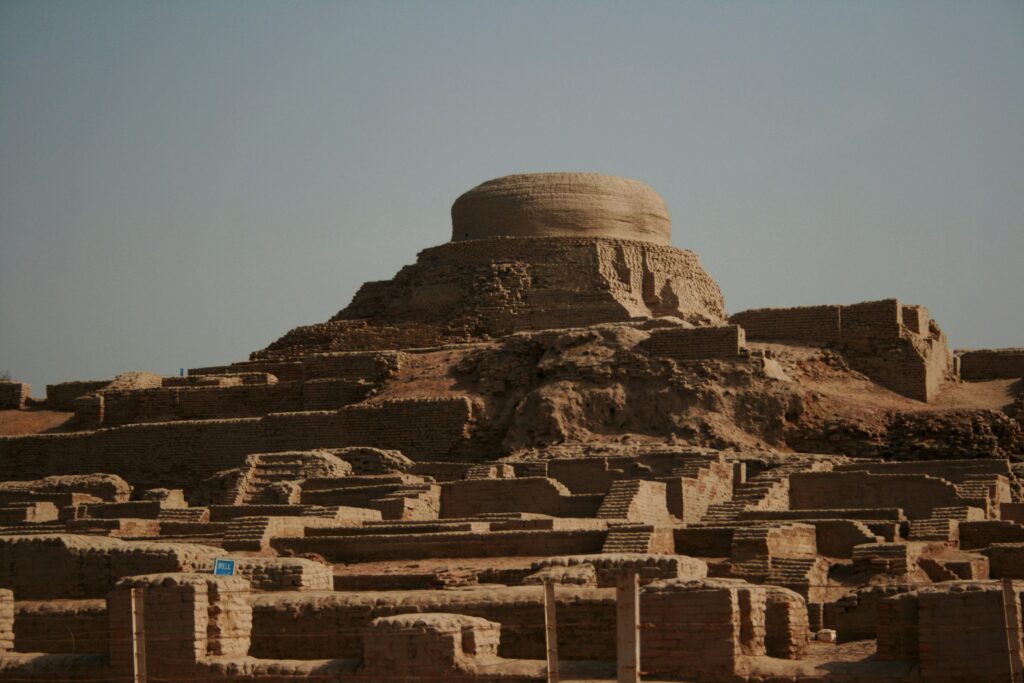
Built around 2500 BCE, abandoned around 1900 BCE, and forgotten until 1922. Mohenjo-daro was one of the two great cities of the Indus Valley Civilisation, spread across roughly 250 hectares in Larkana District, and it is a UNESCO World Heritage Site.
What makes it extraordinary is not the scale. It is the planning. Streets laid out on a grid. Standardised fired bricks. Covered sewerage and household drainage, at a point in history when most of the world was managing neither. Estimates put the population somewhere between 30,000 and 60,000.
What to see on site:
- The Great Bath, a watertight brick tank that remains the most famous structure here.
- The Buddhist Stupa, a later addition sitting on the highest mound and visible from a long way off.
- The Great Granary and Assembly Hall, both in the citadel area.
- The DK Area, where the residential street grid is clearest.
- The site museum, small but worth the twenty minutes.
One honest caveat. In August 2022 the site took 779.5 millimetres of rain in eleven days, causing serious damage including partial wall collapses and harm to the stupa protection wall. There was real concern about its World Heritage status. Conservation work has been ongoing since, and Sindh Tourism now posts guides at the site, but expect scaffolding and restricted areas in places.
Getting there: roughly 28 kilometres from Larkana, about 80 kilometres southwest of Sukkur, and a long day by road from Karachi. Private operators have run a weekly Sunday air tour out of Karachi, so it is worth checking whether that is currently operating before committing to the drive. Go in winter or spring. Summer here is brutal.
Makli Necropolis, Thatta
Half a million graves across ten square kilometres. Kings, queens, Sufi saints, scholars and soldiers, layered up over roughly four centuries from the 14th onward. It is one of the largest funerary sites anywhere in the world and another UNESCO listing.
The interest is in the stonework. Islamic, Persian, Hindu and Gujarati styles sit side by side, sometimes on the same tomb, because Thatta was a genuine crossroads when these were built. Some of the carving is astonishingly fine given it is sandstone that has weathered six hundred years of Sindhi sun.
Give it two hours minimum. Go early morning or late afternoon, both for the light and because there is very little shade.
Shah Jahan Mosque, Thatta
A few kilometres from Makli, and the two pair naturally into one day trip.
Commissioned by the Mughal emperor Shah Jahan in 1647, this is one of the finest pieces of Mughal architecture in Pakistan and quite unlike the more famous mosques in Lahore. It has 93 domes and no minarets at all, which is unusual to the point of being unique.
The blue and white faience tilework is the draw. The acoustics are the surprise: the dome geometry carries a whisper from one end of the prayer hall to the other, which was the point, since it let the imam be heard without amplification.
It is still an active mosque. Dress accordingly and avoid prayer times if you want to photograph.
Ranikot Fort, Jamshoro
The Great Wall of Sindh, and plausibly the largest fort in the world by circumference. The walls run for more than 30 kilometres across bare hills.
Its origins are genuinely unclear, which is part of the appeal. The visible walls are largely attributed to Talpur-era reconstruction in the early 19th century, but there is evidence of far older fortification underneath, and nobody has settled the question. Inside the outer wall sit smaller forts, Meeri and Shergarh, each worth the walk.
This is a hiking and camping destination rather than a monument you tick off. Bring water. There is none out there.
Sufi Sindh
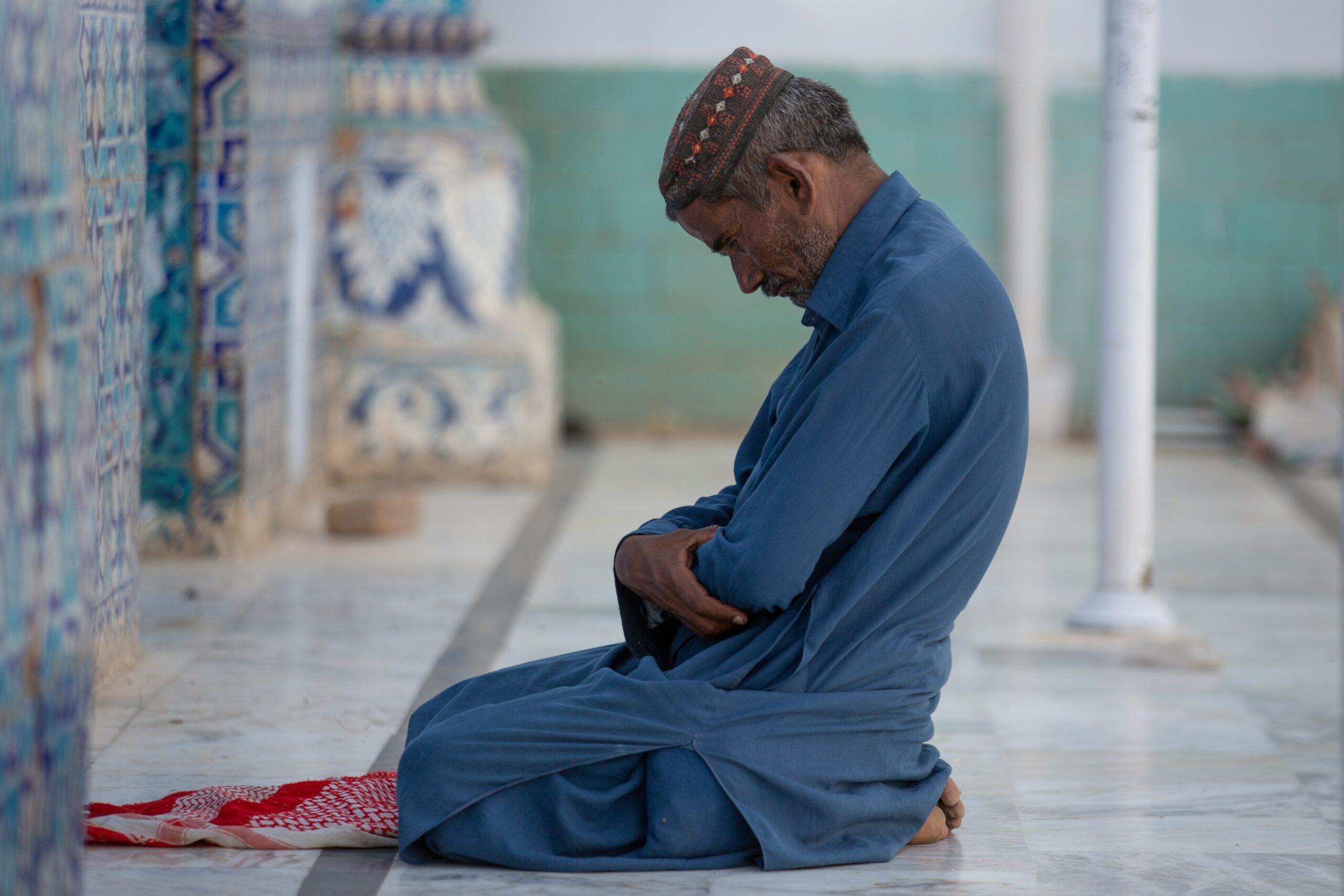
Sindh is the Sufi heartland of Pakistan, and the shrines are living places rather than heritage exhibits.
Lal Shahbaz Qalandar, Sehwan Sharif
A 13th century saint and poet whose shrine draws millions. Thursday evenings are when it comes alive: qawwali, and then the dhamaal, a trance-like devotional drumming and dance that goes on for hours. The annual Urs is enormous and worth planning around if you want the full experience, though it is intensely crowded.
Whatever you expect, the reality is louder and more overwhelming.
Shah Abdul Latif Bhittai, Bhitshah
The most important poet in the Sindhi language, and the shrine at Bhitshah is where his verse is still sung nightly by resident musicians. Quieter than Sehwan, more contemplative, and easier to visit on a normal evening. If you only have time for one shrine and you want atmosphere over spectacle, come here.
Karachi and the coast
Mohatta Palace
Built in 1927 as a summer home for the businessman Shivratan Chandraratan Mohatta, now a museum. Indo-Saracenic architecture, pink Jodhpur stone, domes and jharokas, and a rotating exhibition programme that is genuinely good. The garden is a rare quiet spot in Karachi. See it on Traventigo.
Chaukhandi Tombs
A short drive east of the city. Sandstone graves from roughly the 15th to 18th centuries, built by the Jokhio and Baloch tribes, stacked in layers and carved with geometric and floral work you will not see anywhere else. Different craft tradition entirely from Makli, and easy to combine with a Thatta day trip. Details here.
Bhambore
An ancient port city on the Karachi and Thatta border, occupied from around the 1st century BCE. Remains of a Hindu temple, an early mosque and a fort, plus the Sassi and Punnu folklore attached to the place. Underrated and usually empty.
Lakes and wildlife
Keenjhar Lake
Pakistan’s second largest freshwater lake and Karachi’s main drinking water source, about 122 kilometres out of the city. A standard weekend picnic spot for Karachi families, which tells you to avoid Sundays.
Winter is when it earns a special trip. Migratory birds arrive in numbers and the birdwatching is excellent. The tomb of Noori Jam Tamachi, the fisherwoman of the folk tale, sits out in the water.
Manchar Lake
The largest freshwater lake in the country, west of the Indus in Dadu District. What makes it worth the detour is the Mohana, the boat-dwelling community who live on the water and fish it.
Be aware the lake has serious pollution and salinity problems from agricultural drainage, and the fishery has declined badly. It is still striking at sunrise, and still full of flamingos and herons in winter, but it is not the lake it was.
Thar and the southeast
Karoonjhar Hills, Nagarparkar
Granite hills rising straight out of the Thar Desert in the far southeast corner, near the Indian border. After monsoon rain the whole area turns unexpectedly green, which is the time to see it.
Nagarparkar also holds centuries-old Jain temples, left behind by a community that thrived here for generations. They are beautiful and poorly protected. The hills have been the subject of long-running disputes over granite quarrying, so conditions on the ground change.
Gorakh Hill Station
The Murree of Sindh, at over 5,600 feet in the Kirthar range. It gets genuinely cold in winter, occasionally snows, and offers an escape from the plains in summer. Facilities are basic. The road up is rough.
Also worth your time
- Faiz Mahal, Khairpur. Built in 1798 for the Talpur Mirs and still owned by their descendants. Gardens, arched verandas, and a mix of Islamic and colonial styling. Ask permission before visiting.
- Kot Diji Fort, Khairpur. Talpur-era fort on a ridge with walls around 30 feet high, and an Indus Valley period settlement beneath it that predates the fort by thousands of years.
- Sadh Belo, Sukkur. A Hindu temple island in the Indus, still in active use.
When to go, and how to plan it
Sindh runs on the opposite calendar to northern Pakistan, which is exactly why it is useful.
- November to February: the season. Mild days, cool nights, migratory birds on the lakes, and comfortable conditions at the archaeological sites.
- March and October: workable shoulder months, warm but manageable.
- April to September: avoid unless you have to. Interior Sindh regularly passes 45 degrees and there is no shade at Mohenjo-daro, Makli or Ranikot.
Karachi is the natural base. Thatta, Makli, Chaukhandi, Bhambore and Keenjhar all work as day trips from the city. Mohenjo-daro, Sehwan, Bhitshah and Khairpur need an overnight, and the sensible route is a loop north via Sehwan and Larkana, back down through Khairpur.
Roads in Sindh are mostly flat and mostly fine, so distances cover faster than they do up north.
Frequently asked questions
What is the most famous tourist attraction in Sindh?
Mohenjo-daro, the 4,500 year old Indus Valley Civilisation city near Larkana. It is a UNESCO World Heritage Site and one of the most significant archaeological sites in the world.
What is the best time to visit Sindh?
November to February. Interior Sindh is extremely hot from April to September, and the main sites offer almost no shade.
How many UNESCO World Heritage Sites are in Sindh?
Two: the archaeological ruins at Mohenjo-daro, listed in 1980, and the historical monuments at Makli in Thatta, listed in 1981.
Can you visit Mohenjo-daro as a day trip from Karachi?
Not comfortably by road, since it sits over 500 kilometres away. Fly or drive up and stay overnight in Larkana. Weekly air tours from Karachi have operated in the past, so check current availability.
Is Sindh safe for tourists?
The main tourist routes are fine, and Karachi, Thatta, Sehwan and Larkana all see regular visitors. Use a local driver for the interior, avoid travelling remote roads after dark, and check conditions around the Indian border before heading to Nagarparkar.
Worth the detour
Sindh will not give you mountains. It gives you the oldest urban planning on the subcontinent, tombs carved by people who have been dead six hundred years, and shrines where devotion is loud and physical and completely unstaged.
Come in winter, base yourself in Karachi, and give it a week.
More on the region: our guides to the top attractions in Hyderabad and the most visited tourist places in Pakistan cover the wider picture.
Related articles
Wanderlust Chronicles: Exploring Hidden Gems Around the World
Wanderlust Chronicles In an age where popular travel destinations are often overcrowded and overexposed, more travelers are turning their attention to the road less…
Read article
Pakistan’s Free or Low-Cost Traveling and Visiting Points
Introduction Pakistan, with its diverse landscapes, ancient heritage, and rich culture, is one of the most beautiful yet underrated tourist destinations in the world.…
Read article
Top Attractions You Must See in Hyderabad, Sindh (2026)
Most travellers treat Hyderabad as a fuel stop. Two hours out of Karachi on the way north, worth a biryani and a leg stretch,…
Read article