First, it’s worth noting the connection between alcohol and sleep in the first place. One of the most significant side effects of drinking alcohol is somnolence – the desire to sleep. This is why it’s so common for many people to consider drinking before bed if they can’t drift off. Additionally, certain red wines, such as those made from the grape variety Cabernet Sauvignon, contain higher levels of a natural compound called resveratrol. Studies have shown that resveratrol may have relaxing and sleep-enhancing properties. However, more research is needed to fully understand the extent of its effects on sleep.
Eve Sleep microfibre pillow review: Like sleeping on a cloud
As your blood vessels expand, Drug rehabilitation more blood flows to the surface of your skin, creating a flushed appearance and a sensation of warmth. This response is particularly noticeable in areas like the face and neck. Acetaldehyde is a potent vasodilator, sometimes 10 to 30 times more powerful than ethanol, causing intense and immediate flushing, a rapid heart rate, and nausea.
Treatment Process
Hormonal changes can significantly impact how sweat glands respond to certain signals, leading to increased perspiration. Perimenopause typically begins in the mid 40s but can vary depending on individual circumstances. These issues can range in severity from minor irritations to serious medical conditions that require treatment. It is important to seek medical attention if excessive sweating persists or worsens over time, as this could indicate a deeper underlying problem that requires professional care. Additionally, good hygiene practices such as regular bathing and frequent changes of clothing can help reduce one’s risk of infection and discomfort due to excessive sweat production.
The Role of Alcohol in Body Temperature Regulation

This combined with much more heat being produced by your liver really makes you heat up in the night. But, when you’ve been drinking, your liver is madly metabolising all the alcohol, breaking it down to get it out of your blood stream. This is a really exothermic process which means it produces a lot of heat. However, avoiding further alcohol consumption can help reduce the redness. Overall, if facial flushing is an issue for you at all, avoiding alcohol in all forms might be the next best solution. This condition is often referred to as the “Asian flush” or “Asian glow” because 35% to 45% of East Asians have a genetic intolerance to alcohol that causes this reaction.
- We’ll explore potential triggers such as new health issues, medication interactions, or aging, and explain the difference between alcohol intolerance and allergies.
- A major cause of alcoholic flush is enzyme deficiency, which contributes to less cell protection than people with a higher amount.
- Factors such as body weight, tolerance, and overall health can influence the intensity of the warming sensation.
- We may experience frequent awakenings during the night and find it difficult to enter deep REM (rapid eye movement) sleep.
- One of the most significant side effects of drinking alcohol is somnolence – the desire to sleep.
Can I Build a Tolerance to the Wine Flush?
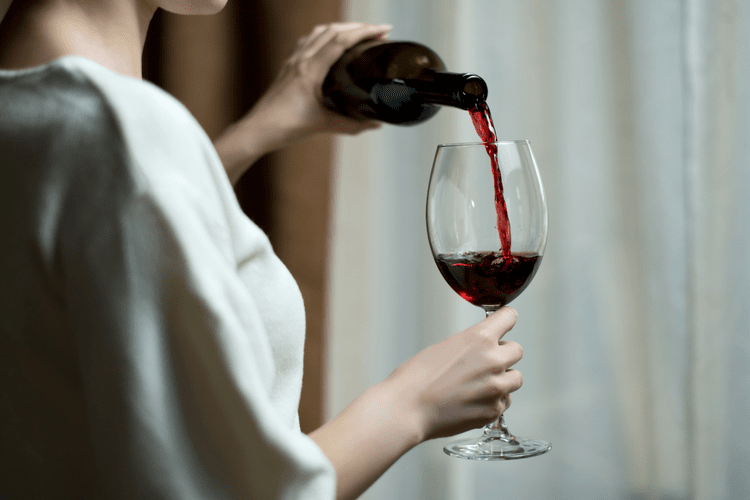
You don’t need to keep up with your friends – particularly if they’re drinking beverages with a lower alcohol percentage. Take your time and pause between drinks for a glass of water when necessary. All alcohols can influence how sleepy you feel, but some are more likely to have an impact on your your tiredness levels than others. For instance, it’s less common to feel tired after having a drink of vodka and lemonade, because you’re also getting a high dose of sugar with your alcohol. Some medications, such as antibiotics or antihistamines, can interact with alcohol and intensify the sensation of feeling hot.
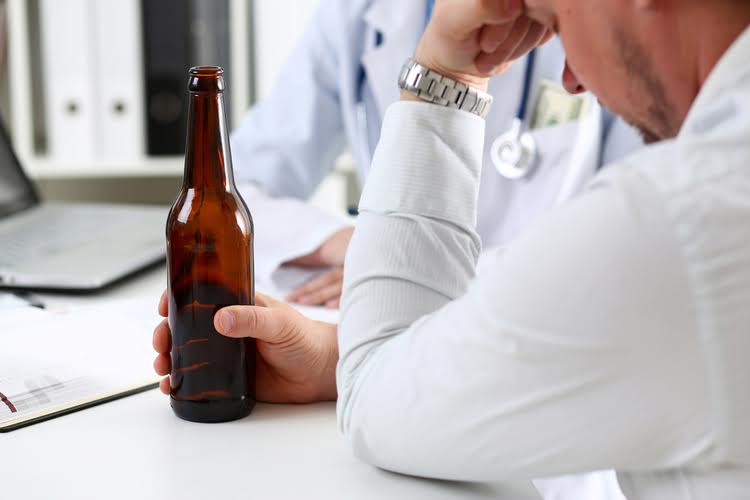
It is okay to enjoy a drink or two every once in a while without any negative effects. However, pay attention not to indulge in alcohol drinking as it affects the body and mind in many ways. One of the common side effects of alcohol drinking is sweating or perspiring, a physiologic process where sweat glands in the skin produce fluid. More serious consequences include liver damage, brain damage and even cancer. As your blood vessels expand, more blood is directed towards the surface of your skin, causing it wine makes me hot to feel warm to the touch.
How to prevent the alcohol flush reaction
It is important to be aware of potential interactions between medications and alcohol to avoid unwanted effects. To sum up while there isn’t an answer as, to why wine makes some people feel sleepy one possible explanation could be the presence of histamines. These substances can trigger reactions to allergies and affect the central nervous system resulting in drowsiness. It’s important to understand your tolerance and sensitivity to histamines in order to gauge their impact on your enjoyment of wine. Histamines are known to induce drowsiness by affecting our nervous system. They have the ability to cross the blood brain barrier and bind to receptors promoting feelings of sleepiness and relaxation.
- Alcohol intolerance and alcohol withdrawal can also lead to symptoms such as night sweats and facial redness.
- Alcohol consumption can significantly influence the bodys ability to regulate its temperature.
As we get older, our liver function can decline, making it harder to efficiently metabolize alcohol. This can lead to a higher accumulation of acetaldehyde and a more noticeable flush response, even if you didn’t experience it as strongly when you were younger. If the reaction is exclusively severe with red wine but absent or mild with clear spirits like vodka, you are likely sensitive to the biogenic amines or phenolic compounds. Eating before you drinkEating before you drink any alcohol will help to reduce the rate at which the body absorbs the substance. While both kinds of grapes can include melatonin – the substance responsible for encouraging sleep, white wine grapes have a lower amount than grapes used for red wine. White wine blends are more acidic, have a lower alcohol level per volume, and generally don’t include as many tannins or melatonin.
Hormone-sensitive breast cancer is particularly affected by drinking habits; these tumors are more likely to grow in people who consume a large amount of alcohol over time. Alcohol consumption can also affect how we metabolize and absorb nutrients. Research has shown that chronic alcohol consumption can impair metabolism by decreasing fat oxidation and increasing fat deposition, leading to an increase in body weight. Additionally, alcohol tends to reduce muscle mass while increasing fat storage, which further contributes to weight gain. Excessive sweating in women can also be caused by hormonal changes during perimenopause.